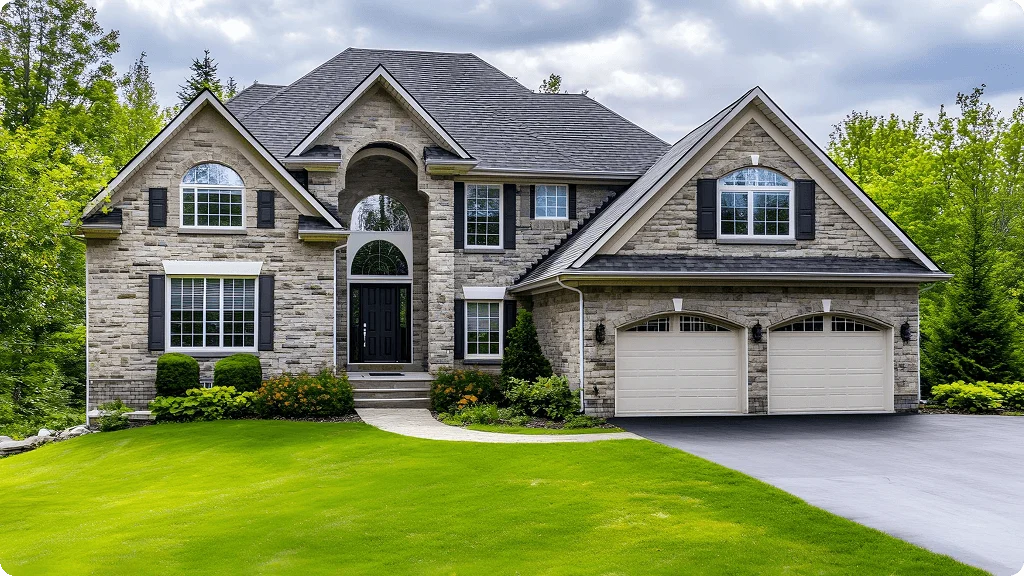
Deciding whether to buy an existing home or construct a custom residence is one of the most significant financial choices a home buyer can make. Both options offer distinct lifestyle benefits, financial risks, and long-term equity profiles. While buying an existing property offers fast move-in timelines, building a custom home guarantees tailored floor plans, modern energy efficiency, and low immediate maintenance costs. Evaluating these paths side-by-side helps clarify which direction aligns best with your long-term goals.
Direct Financial Comparison: Upfront Costs and Long-Term Equity
Understanding the total cost of ownership requires looking beyond the initial purchase price or base construction estimate.
Financial Breakdown Matrix
| Cost Considerations | Buying an Existing Home | Building a Custom Home |
| Initial Purchase Price | Fixed purchase price based on market value. | Variable costs based on land, labor, and materials. |
| Immediate Maintenance | High risk of hidden repairs (roof, HVAC, foundation). | Minimal repair expenses due to new materials and warranties. |
| Customization Costs | Requires additional budget to remodel outdated rooms. | Built-in custom features included in initial plans. |
| Energy Efficiency | Older insulation and windows increase monthly bills. | High-efficiency mechanicals lower ongoing utility costs. |
| Move-In Timeline | Fast closing process (typically 30–60 days). | Extended timeline (typically 8–14 months). |
Hidden Costs of Buying Existing Properties
While buying an existing home appears cheaper upfront, hidden maintenance costs can accumulate rapidly. Older homes often require costly mechanical updates within the first few years of ownership:
- Replacing an aging roof assembly.
- Upgrading outdated heating and cooling systems.
- Fixing structural settling or foundation water leaks.
- Remodeling outdated kitchens and bathrooms to fit modern standards.
When these deferred maintenance expenses are factored into your calculation, the cost gap between buying existing and building new narrows significantly.
Customization Advantages of New Construction
The primary advantage of building a new home is complete control over design, room placement, and finish selection.
Designing for Modern Lifestyle Patterns
Older existing homes were constructed around living patterns that may not suit modern families. Smaller, closed-off kitchens, tiny closet spaces, and lack of dedicated home offices are common drawbacks in older housing stock.
Custom construction allows you to design open floor plans, expansive primary suites, functional mudrooms, and dedicated work-from-home spaces right from the start. Partnering with top architecture firms in Columbus, Ohio allows prospective builders to adapt custom home designs to Midwest weather patterns, optimize urban lot infills, and incorporate regional architectural vernaculars cleanly.
Superior Building Envelope Performance
New residential construction adheres to modern building energy codes. High-density spray insulation, advanced weather barriers, multi-pane low-E glass, and high-efficiency heat pumps create an airtight building envelope.
This superior insulation drastically reduces monthly heating and cooling costs while maintaining consistent indoor air quality and temperature balance throughout every season.
Managing the Custom Building Process and Timeline
Building a custom home requires patience, active decision-making, and ongoing coordination with lending institutions and construction management teams.
Securing Construction Financing
Financing a new build differs significantly from securing a traditional thirty-year mortgage.
- Land Acquisition Loan: Secures the physical building lot.
- Construction Loan: A short-term, interest-only loan that disburses funds to your builder in draw stages as milestones are completed.
- Construction-to-Permanent Conversion: Converts your short-term construction loan into a standard long-term mortgage upon completion of the house.
Navigating Timelines and Permitting Delays
Unlike purchasing an existing home with a fixed closing date, custom construction requires navigating land surveys, soil testing, architectural approvals, and municipal permit processing.
Factoring potential weather delays and material lead times into your living strategy ensures a stress-free transition as your new home progresses toward turnkey completion.