Neurological health is one of the most complex and sensitive areas of modern medicine. Whether you are experiencing persistent headaches, unexplained cognitive changes, or have been referred following a stroke or seizure, brain imaging plays a central role in diagnosing and managing conditions that affect the central nervous system. In Abu Dhabi, access to world-class diagnostic technology has grown significantly over the past decade, giving patients more options than ever before. Understanding what brain imaging involves, how to prepare, and what to expect from the process can make a meaningful difference in how patients approach their care.
What Is Brain Imaging and Why Does It Matter?
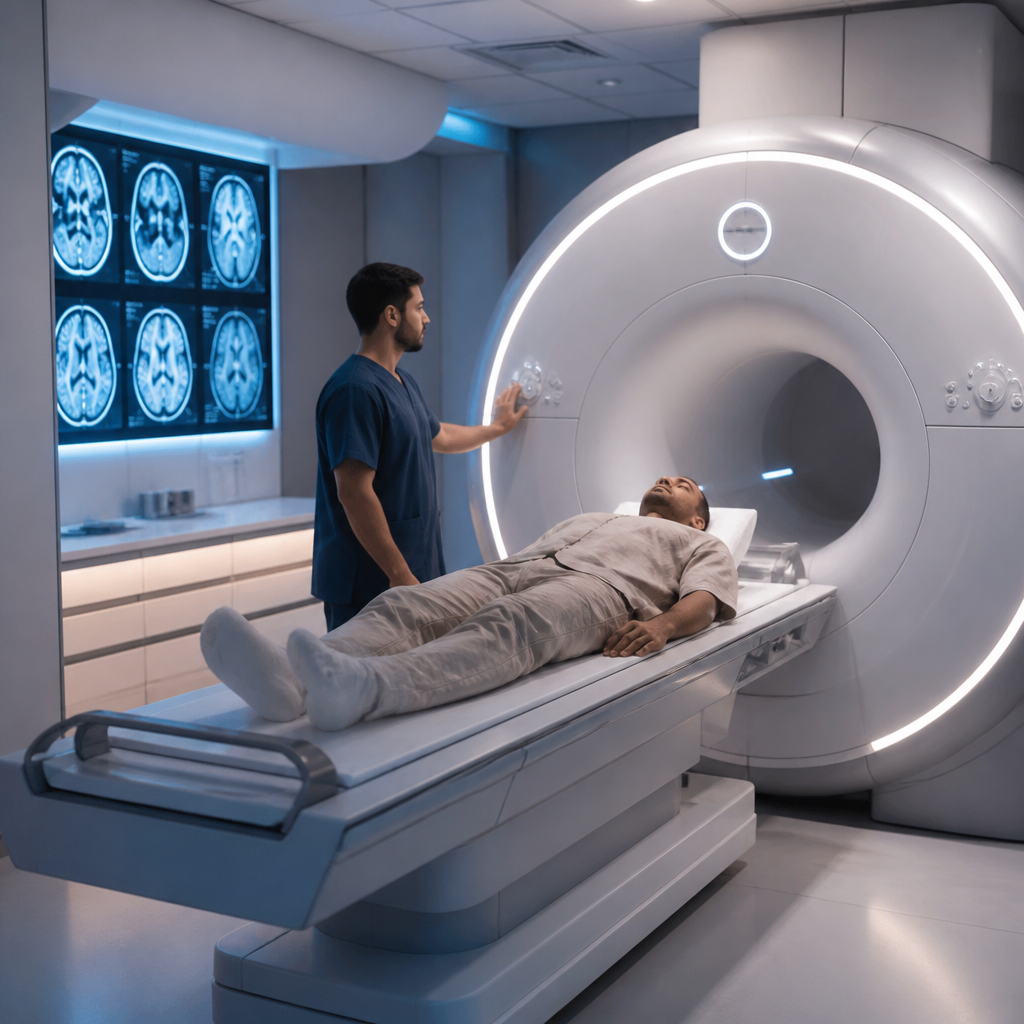
Brain imaging refers to a range of diagnostic techniques used to visualize the structure and function of the brain. These include Magnetic Resonance Imaging (MRI), Computed Tomography (CT) scans, Positron Emission Tomography (PET) scans, and functional MRI (fMRI), among others. Each modality serves a distinct clinical purpose. CT scans are often used in emergency settings to detect bleeding or fractures quickly, while MRI provides detailed soft tissue contrast ideal for identifying tumors, lesions, or demyelinating diseases such as multiple sclerosis. PET scans, on the other hand, measure metabolic activity and are particularly useful in evaluating conditions like Alzheimer’s disease or epilepsy.
The accuracy of these scans depends not only on the quality of the equipment but also on the expertise of the radiologist interpreting the results. A neuroradiologist — a physician who specializes specifically in imaging of the brain and nervous system — brings a level of interpretive precision that general radiologists may not always provide. This distinction matters enormously when the findings will guide surgical decisions, treatment plans, or long-term monitoring strategies.
Common Conditions Diagnosed Through Brain Imaging
Brain imaging is not reserved for emergencies. It is routinely used to investigate a wide spectrum of neurological conditions. Patients presenting with chronic migraines may undergo MRI to rule out structural abnormalities. Those with memory loss or behavioral changes may be evaluated for neurodegenerative disorders. Individuals recovering from traumatic brain injuries rely on serial imaging to track healing progress. Stroke patients benefit from diffusion-weighted MRI, which can identify areas of ischemia within minutes of symptom onset.
Beyond diagnosis, brain imaging is also used to guide minimally invasive procedures. Stereotactic radiosurgery, for example, uses imaging data to precisely target tumors or vascular malformations without open surgery. This intersection of imaging and intervention has transformed neurology and neurosurgery into increasingly precise disciplines.
Pediatric Brain Imaging: Special Considerations
Children present unique challenges in neuroradiology. Their brains are still developing, which means imaging findings must be interpreted within the context of normal developmental milestones. Conditions such as congenital brain malformations, pediatric epilepsy, and childhood brain tumors require specialized knowledge to diagnose accurately. Sedation protocols are often necessary for younger children who cannot remain still during lengthy MRI scans, adding another layer of clinical coordination to the process.
Preparing for Your Brain Scan: Practical Guidance
Preparation for brain imaging varies depending on the type of scan ordered. For most MRI procedures, patients are asked to remove all metal objects and inform the technologist of any implanted devices such as pacemakers or cochlear implants. Contrast agents — typically gadolinium-based — may be administered intravenously to enhance the visibility of certain structures or abnormalities. Patients with kidney disease or known allergies to contrast media should discuss this with their physician beforehand.
For those undergoing outpatient procedures, understanding the logistics of same-day care is equally important. learn more about outpatient procedures and what to expect before your appointment to ensure you are fully informed about recovery, transportation, and post-scan instructions. Many imaging studies are completed within an hour, and patients can typically resume normal activities immediately afterward unless sedation was used.
Managing Anxiety Around Medical Imaging
Claustrophobia and general medical anxiety are common barriers to completing brain scans. Open MRI machines and wide-bore scanners have helped reduce discomfort for many patients. In some cases, mild sedation is offered to help patients remain calm throughout the procedure. Communicating openly with your care team about any concerns before the scan begins is always the right approach — it allows clinicians to tailor the experience to your needs and ensures the imaging is completed successfully.
Skincare and Neurological Health: An Unexpected Connection
While it may seem unrelated at first glance, dermatological health and neurological conditions share more overlap than many patients realize. Certain skin conditions are associated with underlying neurological disorders — a phenomenon known as neurocutaneous syndromes. Conditions such as neurofibromatosis and tuberous sclerosis manifest with both skin findings and brain abnormalities, making coordinated care between dermatologists and neuroradiologists essential. For patients managing skin health alongside neurological concerns, exploring resources like skin care and wellness guidance can complement a broader approach to overall health management.
Cleveland Clinic Abu Dhabi: A Leader in Neuroradiology
When it comes to neurological imaging in the UAE, few institutions match the depth of expertise and technological capability available at Cleveland Clinic Abu Dhabi. The neuroradiology department is staffed by fellowship-trained specialists who bring international experience to every case. Whether the clinical question involves a complex brain tumor, a vascular anomaly, or a subtle white matter change, the team applies rigorous diagnostic standards to deliver accurate, actionable results.
Consulting a brain imaging specialist abu dhabi at Cleveland Clinic Abu Dhabi means accessing a multidisciplinary environment where radiologists collaborate directly with neurologists, neurosurgeons, and oncologists. This integrated model ensures that imaging findings are interpreted not in isolation, but within the full clinical context of each patient’s condition. The result is a more cohesive, patient-centered diagnostic experience that supports better treatment outcomes.
Technology and Innovation in Neuroradiology
Cleveland Clinic Abu Dhabi utilizes state-of-the-art MRI systems, including high-field 3 Tesla scanners that produce exceptionally detailed images of brain anatomy. Advanced post-processing software allows clinicians to generate three-dimensional reconstructions, perfusion maps, and spectroscopic analyses that go far beyond what standard imaging can reveal. These tools are particularly valuable in complex cases where conventional imaging may be inconclusive.
When to Seek a Neuroradiology Consultation
Not every headache or episode of dizziness warrants a brain scan, but certain symptoms should prompt timely evaluation. Sudden severe headache described as the worst of one’s life, new-onset seizures, progressive cognitive decline, focal neurological deficits such as weakness or vision changes, and unexplained personality shifts are all indications that imaging may be warranted. Early and accurate diagnosis through high-quality brain imaging can be the difference between effective treatment and delayed intervention.
Patients should not hesitate to advocate for themselves when they feel their symptoms are not being adequately investigated. Requesting a referral to a specialist, asking about the specific type of imaging being ordered, and understanding the rationale behind diagnostic decisions are all reasonable and encouraged steps in taking ownership of one’s neurological health.
Conclusion
Brain imaging is a cornerstone of modern neurological care, offering clinicians an unparalleled window into the most complex organ in the human body. For patients in Abu Dhabi and across the UAE, access to expert neuroradiology services has never been more accessible. By understanding the purpose of different imaging modalities, preparing appropriately for scans, and choosing a facility with proven expertise, patients can approach their neurological care with confidence. Whether you are navigating a new diagnosis or seeking a second opinion, the quality of your imaging and the expertise behind its interpretation will always matter.