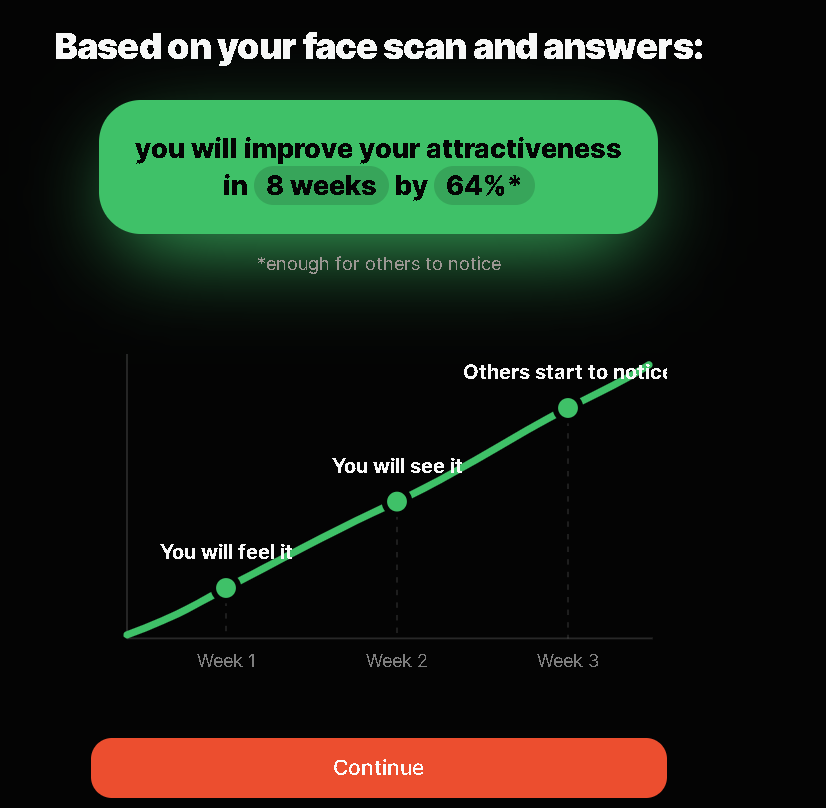
Looksmaxxing has become increasingly popular among people who want to improve their appearance through better grooming, skincare, hairstyles, fitness, fashion, and personal presentation. But with so much advice available online, it can be difficult to know which changes are actually relevant to your individual features.
This is where artificial intelligence is creating a new approach to appearance analysis. Instead of relying entirely on generalized advice or subjective opinions, people can use AI-powered tools to receive a more structured analysis of their facial features and appearance.
What Is Looksmaxxing?
Looksmaxxing is a broad term used to describe efforts to improve one’s physical appearance. These efforts can range from relatively simple changes, such as improving a haircut or skincare routine, to lifestyle changes involving fitness, grooming, clothing, and overall presentation.
The important thing to understand is that looksmaxxing does not have to mean trying to completely change your natural appearance. For many people, it is simply about identifying areas that could be improved and making practical changes that increase confidence.
However, deciding where to begin can be challenging. Looking at yourself every day can make it difficult to objectively assess your own features. Online discussions can also contain conflicting opinions, making it easy to become overwhelmed.
How AI Can Help Analyze Facial Features
AI-powered facial analysis introduces a more structured way to examine visible characteristics. Depending on the technology being used, an AI system may evaluate elements such as facial proportions, symmetry, face shape, and other observable features.
The goal is not to reduce someone’s appearance to a single number. Instead, AI analysis can provide information that users can consider when deciding which areas of their appearance they would like to work on.
For someone experimenting with hairstyles, for example, understanding their general face shape may help them explore styles that complement their features. Similarly, someone interested in grooming may use an analysis as a starting point for identifying aspects they want to pay more attention to.
Why Personalized Analysis Matters
A major problem with general beauty advice is that it assumes the same recommendations work for everyone. In reality, people’s facial structures, proportions, hair types, skin characteristics, and personal styles are different.
What looks good on one person may not necessarily produce the same result for another.
An AI-powered AI attractiveness test can provide a more personalized starting point by analyzing the information available from an individual’s facial image. This can make the process more interactive while helping users think about their appearance in a more organized way.
Rather than copying every trend found on social media, users can focus on understanding their own characteristics first.
Understanding the PSL Scale
People interested in looksmaxxing may also come across terminology such as the PSL scale. The concept is commonly discussed in online appearance communities as a framework for evaluating different aspects of facial aesthetics.
Because these concepts can be complicated and are often discussed differently across online communities, understanding the terminology is important before drawing conclusions from it.
A useful PSL scale explanation can help readers understand where the terminology comes from, how it is generally used, and why online appearance ratings should not necessarily be treated as objective measurements of personal worth or attractiveness.
This distinction is important. Appearance analysis can be interesting and useful, but no rating system can capture every factor that influences how people perceive one another.
Appearance Is More Than Facial Structure
Facial features are only one part of someone’s overall appearance.
Hair, clothing, posture, grooming, fitness, skincare, facial expression, and personal style can all influence presentation. Confidence and the way someone carries themselves can also have a significant effect on how they are perceived.
This is why AI analysis should ideally be viewed as one tool within a broader self-improvement process rather than a final verdict.
For example, an individual may discover that their facial structure is already well suited to a particular hairstyle. Another person may realize that improving grooming consistency or choosing better-fitting clothing could make a bigger difference than constantly focusing on facial measurements.
The most useful outcome is often discovering practical areas for improvement rather than becoming fixated on a score.
Using AI Responsibly
AI appearance analysis can be an interesting way to learn more about facial characteristics, but it is important to use these tools responsibly.
An algorithm’s assessment should not determine someone’s self-worth. Beauty is subjective, and perceptions of attractiveness vary between individuals, cultures, and situations.
Users should also be cautious about treating an AI-generated score as a scientific or universal measurement. Facial analysis technology has limitations, and an image cannot capture every aspect of a person’s appearance or personality.
A healthier approach is to treat AI results as information that can support personal experimentation.
Instead of asking whether an AI thinks someone is attractive enough, a more productive question is: What practical information can I take from this analysis?
That mindset keeps the focus on self-improvement rather than perfection.
Small Improvements Can Add Up
Improving your appearance does not always require dramatic changes. Often, several small improvements can work together to create a more polished look.
These might include:
- Finding a haircut that complements your face shape
- Maintaining a consistent skincare routine
- Improving everyday grooming
- Wearing clothes that fit properly
- Developing healthier lifestyle habits
- Improving posture and presentation
- Experimenting with different personal styles
AI analysis can potentially help users decide where they want to experiment first, while the actual changes remain personal choices.
The Future of AI-Powered Appearance Analysis
As artificial intelligence becomes more sophisticated, personalized appearance tools are likely to become more accessible. Instead of searching through countless forums and social media posts for general advice, users may increasingly turn to technology for an initial analysis tailored to their individual features.
The future could involve more interactive tools that combine facial analysis with hairstyle recommendations, grooming suggestions, skincare information, and style exploration.
However, technology should remain a tool rather than an authority. The purpose of appearance analysis should be to provide useful insights and ideas, not to establish a rigid definition of beauty.
Final Thoughts
AI is changing the way people explore personal appearance and looksmaxxing. By analyzing visible facial characteristics, AI-powered platforms can give users a more structured starting point than generic advice alone.
At the same time, appearance should never be reduced to a single score or ranking. Facial analysis can provide interesting information, but confidence, grooming, style, health, personality, and individual preferences all contribute to the way someone presents themselves.
Used thoughtfully, AI-powered analysis can therefore be a useful part of a broader self-improvement journey. The objective is not perfection. It is understanding your features, exploring realistic improvements, and finding a personal style that makes you feel more confident.