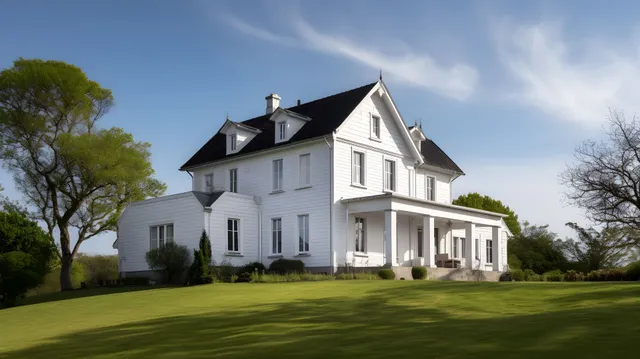
Owning a historic property is a deeply rewarding privilege, offering a tangible connection to the craftsmanship, architectural artistry, and stories of eras past. Whether it is a late-nineteenth-century Victorian estate, an early-twentieth-century craftsman bungalow, or a mountain homestead, these structures possess a distinct character that modern construction rarely replicates. However, maintaining a vintage building demands a specialized approach. Standard renovation tactics can often compromise historical integrity or inflict long-term material damage. Caring for a heritage property is ultimately an act of stewardship—a delicate balance between honoring original design features and ensuring long-term structural durability.
To help you safeguard your investment while keeping its unique heritage intact, here is a practical guide to maintaining a historic property with care.
1. Uncover the Historical Narrative and Conduct Regular Inspections
Before swinging a hammer or stripping away layers of paint, invest time in understanding your property’s architectural history. Researching original construction materials, regional styles, and historic preservation regulations will guide your maintenance decisions and keep you compliant with local preservation guidelines.
In tandem with historical research, perform thorough, non-invasive property inspections. Older homes react differently to environmental stress and settling than modern buildings. Focus on critical structural zones: inspect foundation walls for cracking, examine timber support framing for rot or pest damage, and evaluate attic spaces for moisture retention. Catching subtle issues early prevents catastrophic repairs down the road.
2. Embrace the Principle of Minimum Intervention
The core philosophy of heritage preservation relies strictly on a “minimum intervention” approach. The rule is simple: repair whenever possible, and replace only when absolutely necessary. Original features—such as old-growth timber, hand-carved moldings, plaster walls, and vintage window frames—possess structural density and character that modern materials cannot match.
When components exhibit wear, look for conservation techniques to stabilize and treat them. Reinforce weakened joists, patch original plaster, and re-glaze historic window sashes rather than replacing them outright. Retaining original materials preserves the authentic patina and structural cohesion of the home.
3. Prioritize Heavy-Duty Water Management
Moisture is arguably the greatest ongoing threat to historic properties. Over time, unmanaged rainwater and snowmelt can erode foundations, rot sill plates, and cause extensive interior water damage. Keeping roofs and drainage systems fully functional is essential to defending the structural backbone of the home.
Standard vinyl or thin aluminum gutters often look out of place on vintage homes and easily buckle under heavy winter conditions. Investing in high-end architectural metal upgrades, such as custom copper gutters in Morgan, UT, provides a resilient, corrosion-resistant defense built to withstand severe weather. Copper systems age naturally over time, developing a graceful patina that complements historic stone, brick, and wood facades.
4. Source Period-Compatible Building Materials
When replacement becomes completely unavoidable, select materials that match the original composition, texture, and physical behavior. Using modern substitutes out of convenience can disrupt the physical integrity of the structure.
For example, historic brick and stone masonry were built using soft, lime-based mortar that allows the walls to breathe and shift slightly. Repointing older brick with modern Portland cement traps moisture inside the wall, causing the historic bricks to freeze, crack, and crumble over time. Always consult preservation specialists to ensure replacement mortars, woods, or sealants interact safely with vintage assemblies.
5. Balance Modern Comforts with Reversible Upgrades
Preserving history does not mean sacrificing modern luxury or energy efficiency. Essential updates to plumbing, electrical wiring, insulation, and HVAC systems are necessary for modern livability and fire safety. The key is applying the concept of “reversible design”.
Reversible upgrades ensure that any modern infrastructure can be modified or removed in the future without permanently damaging the historic fabric of the building. Route wiring and plumbing through existing wall cavities, closets, or basements rather than cutting through decorative plaster. Unobtrusive additions, like storm windows or discreetly placed climate units, enhance comfort while keeping original features untouched.
Conclusion: Act as a Mindful Steward
Caring for a historic property is an ongoing journey of stewardship. By prioritizing routine inspections, adhering to material compatibility, and protecting the exterior with durable drainage, you protect your financial investment while honoring the craftsmanship of the past. With thoughtful, dedicated care, your historic home will continue to tell its story for generations to come.